
Pelvic Floor Physical Therapy


Pelvic floor dysfunction represents a critical disruption in the deep core stabilizing system that supports the bladder, bowel, and reproductive organs. By utilizing specialized manual techniques and neuromuscular re-education, we address the mechanical roots of incontinence, chronic pain, and structural instability to restore systemic function and patient confidence.
Many individuals in Orange County suffer in silence with symptoms that are often dismissed as a normal part of aging or the postpartum experience. At In Motion O.C., we view the pelvic floor as the foundational base of the kinetic chain rather than an isolated anatomical region. When these muscles become hypertonic or excessively weak, the entire stability of the spine and hips is compromised. Our clinical approach moves beyond basic exercises by integrating Pelvic Floor Myofascial Release and sophisticated biofeedback. We treat these conditions within our private Irvine suites, ensuring that every patient receives the focused, one-on-one attention required for such a sensitive biological system.
Addressing the Hidden Core: Clinical Strategies for Dysfunction
The pelvic floor is a complex web of skeletal muscle that must coordinate perfectly with the diaphragm and transverse abdominis during every breath and movement. Our Board-Certified Orthopedic Specialists determine whether a patient is experiencing a coordinative deficit or a structural tension pattern. We utilize Pelvic Floor Myofascial Release to alleviate trigger points that contribute to chronic pelvic pain and urinary urgency. This manual therapy is often the missing link for patients who have tried traditional core strengthening without success. By normalizing the resting tone of these muscles, we allow the body to regain its natural reflexive control over the pelvic organs.
Specialized Care for the Postpartum and Post-Surgical Patient
The physiological stress of pregnancy or abdominal surgery can lead to significant mechanical shifts within the pelvis. We provide a dedicated track for Irvine residents looking to reclaim their physical autonomy after childbirth or gynecological procedures. Our therapists assess for diastasis recti and pelvic organ prolapse, creating a customized load-management plan that safely transitions the patient back to high-level activity. This is not merely about aesthetic recovery, but about preventing the long-term descent of pelvic structures. Through targeted neuromuscular training, we help patients return to running, lifting, and daily life without the fear of leakage or pain.
Integration with Post-Rehab Fitness (PRF)
True recovery of the pelvic floor requires integrating these muscles back into full-body movement patterns. Once the initial pain or dysfunction is managed, we bridge the patient into our Post-Rehab Fitness (PRF) program. This allows the individual to practice bracing and pressure management under the guidance of a clinician who understands their pelvic health history. This continuity ensures that the pelvic floor is protected during heavy lifting or high-impact athletics. We believe that everyone deserves a high-performance lifestyle, regardless of their past struggles with pelvic health.
What should I expect during my first pelvic floor evaluation?
Your initial visit involves a detailed discussion of your symptoms followed by a physical assessment of your posture, hip mobility, and core function. We may perform an internal or external assessment of the pelvic muscles to identify specific areas of tension or weakness.
Is pelvic floor therapy only for women?
No, pelvic floor health is a universal biological necessity. We provide Optimized Men’s Health tracks that address male-specific concerns such as post-prostatectomy recovery, chronic prostatitis, and pelvic-related athletic injuries.
How long does it typically take to see results in pelvic therapy?
While every biological system responds differently, many patients report significant improvements in symptom management within four to six weeks. Consistency with your home program and clinical manual therapy is key to a successful lifelong oral health trajectory and physical stability.
Do I need a doctor’s referral to start pelvic floor therapy in California?
California allows for direct access to physical therapy, meaning you can typically begin your evaluation and treatment immediately. We will coordinate with your primary care physician or specialist as needed to ensure a comprehensive approach to your care.
Contents
What is Pelvic Floor Weakness?
The pelvic floor includes all the muscles and soft tissues between your pubic bone and your tailbone.
Pelvic floor weakness occurs when the muscles, ligaments, and soft tissue in your pelvis get stretched, injured, or worn out.
What Causes Pelvic Floor Weakness?
There are dozens of conditions that can cause pelvic floor weakness.
Here are a few of the most common:

Childbirth
Carrying and birthing a child can be very hard on your pelvic floor muscles. As a result, many women experience soft tissue injuries after childbirth.
Pelvic floor issues are most common in women who have multiple pregnancies or carry twins. The extra weight on the pelvic floor can cause stretching and injuries before and during childbirth.
Many women recover fully as strength returns their pelvic muscles during natural postpartum recovery, but some will need physical therapy for a weakened pelvic floor to resolve any lingering problems.
Some pelvic floor issues related to childbirth that tend to linger are:
- Painful intercourse
- Incontinence
- Pain while exercising
Old Age
When people reach a more advanced age, their muscles and ligaments sometimes become less flexible. This can contribute to pelvic floor weakness in the elderly.
If an older person is inactive and sits down most of the day, it can worsen their pelvic floor weakness.
Obesity
Obesity can cause extra strain on muscles and ligaments which can lead to pelvic floor weakness.
Heavy Lifting
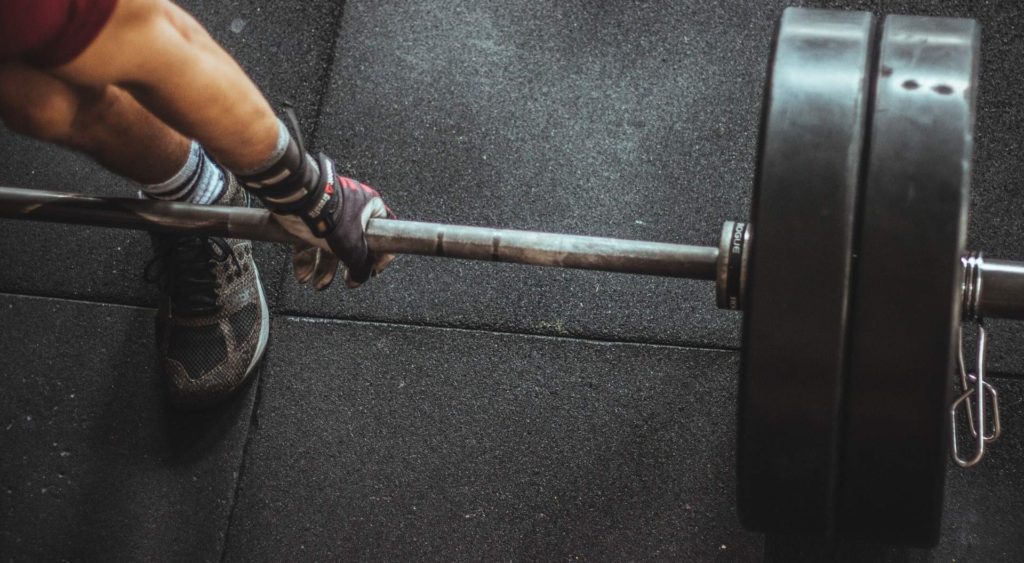
Bodybuilders sometimes experience pelvic floor weakness due to prior injuries from improper lifting.
For example, weightlifters are susceptible to developing hernias from lifting too much weight or incorrect form.
Weak Pelvic Floor Symptoms
To find out if you have a weak pelvic floor, talk to your doctor or therapist about your symptoms.
It’s important to be properly diagnosed to rule out any other issues before attempting any at-home remedies.
You may have a weak pelvic floor if you experience:
Urinary Issues
Incontinence is one of the most common symptoms of pelvic floor weakness. Incontinence is when you lose control of your bladder when you sneeze, cough, or laugh. Or if you just can’t seem to make it to the toilet on time.
Lower Back Pain
If you have pelvic floor weakness, you may also experience pain in your lower back.
This can be caused by a number of things.
Most likely, the muscles in your back are compensating for the weakness in your pelvic floor. So your back muscles may be spasming or straining due to being overworked.
Pain In The Pelvic Region
If you have pain in the pelvic region, it could be due to an existing injury.
If you’ve had surgery or given birth to a child, be sure to check with a doctor or therapist before attempting any exercises or treatments at home.
If you do have pelvic floor weakness, the worst thing would be to accidentally injure your pelvic floor muscles by doing the wrong exercises or treatments.
Weak Pelvic Floor Physical Therapy – Will PT Help?
Physical therapy for a weak pelvic floor is one of the best things you can do to strengthen the area.
Pelvic floor physical therapy can help with:
- Urinary incontinence, urgency, and frequency
- Fecal incontinence
- Constipation
- Painful urination
- Rectal pain
- Painful sexual intercourse
- Endometriosis
- Pregnancy-related pain
- Pregnancy and postpartum wellness
- Menopause symptoms
- Testicular pain
- And more
When you consult a Doctor of Physical Therapy, you have a much lower risk of further injuring yourself.
You don’t want to waste time doing routines that aren’t going to help strengthen your pelvic floor, or risk injuring yourself. Your therapist can teach you know how to do the below pelvic floor physical therapy exercises and stretches properly so that you see the greatest benefit.
Weak Pelvic Floor Treatment
Treatment for pelvic floor weakness depends on the severity of your muscle dysfunction and whether or not you have an existing injury.
Exercises
The most common treatment involves pelvic floor physical therapy exercises.
To determine the best exercises to do without injuring yourself further, consult a Doctor of Physical Therapy for advice.
Best Pelvic Floor Physical Therapy Exercises and Techniques
There are many types of exercises and stretches, along with a few other techniques, that your therapist may recommend for pelvic floor weakness.
Many exercises may seem familiar at first glance, but a professional therapist will deeply analyze how you’re doing the movements and show you how to properly perform them for the best results.
Sitting Exercises
Many pelvic floor exercises occur while you’re sitting on the ground. Your therapist will have you move your pelvis to strengthen your pelvic muscles and the surrounding supporting muscles.
Your therapist might ask you to do pelvic floor physical therapy at home by completing several reps of the exercises he or she assigns.
Kegels
You may have heard of kegel exercises, and possibly even tried them at home.
The idea behind the exercise is to contract and then relax your pelvic floor muscles to help strengthen them. This particular pelvic floor physical therapy exercise is beneficial to patients who are experiencing painful sexual intercourse, urinary incontinence, or both.
A physical therapist will teach you how to get the most out of this exercise during your appointments and will create a schedule for you to complete these exercises at home.
Trigger Point Therapy
Depending on the severity of your pelvic floor dysfunction, trigger point therapy may be used as a treatment in addition to pelvic floor physical therapy exercises.
Trigger point therapy is a technique that applies pressure to an area of your body, both internally and externally, called a trigger point. The physical therapist may inject anesthesia into the area as well. This is called trigger point injection (TPI) and is a common form of pain management.
Biofeedback
Biofeedback is a technique used to assess the contraction of your pelvic floor muscles. Using biofeedback devices, your PT will monitor your progress and watch for improvements in the function of the muscles.
This technique may involve placing electrodes in the area between the anus and vagina, or an internal probe that measures the tension and relaxation of your muscles.
Results are visible on a screen and your PT will let you know exactly what they find during this technique.
Electrical Stimulation
Electrical stimulation can be done by your PT or at home using special equipment. The technique aims to reduce muscle spasms and pelvic pain.
This is another common technique used in addition to the pelvic physical therapy exercises.
How In Motion O.C. Can Help With Pelvic Floor Weakness
In Motion O.C. therapists have a lot of experience helping people with pelvic floor weakness.
You may be wondering what to expect with pelvic floor physical therapy.
At In Motion O.C. we can guarantee that your physical therapy experience with us will be a good one. Your individual therapist and routine may differ from other patients, but the outcome is always the same. With our team, you will take a step towards healing.
You don’t need to feel insecure or worried about your pelvic floor weakness anymore. Come in to see one of our kind, professional physical therapists. They will help with the right pelvic physical therapy exercises to get your pelvic floor healed and strengthened in no time.